.png)
7 Energy Efficient Home Upgrades That Save Money and Boost ROI
- Jul 22
- 8 min read
Owning a home changes the way every utility bill feels. When the heating system runs nonstop, a draft sneaks under the door, or the upstairs bedroom never cools down, energy waste stops being an abstract idea. It becomes a monthly cost.
The good news is that many energy upgrades are practical, visible, and worth doing in stages. Some are weekend projects. Others cost more upfront but can improve comfort, lower operating costs, and make a home more attractive when it is time to sell.
This guide covers seven Energy-Efficient Home Upgrades that are realistic for homeowners, including insulation, windows, HVAC improvements, and smart home technology. Costs and savings vary by home size, climate, utility rates, and contractor pricing, but the return often comes from three places: lower bills, better comfort, and stronger resale appeal.
1. Improve attic and wall insulation
Insulation is one of the best places to start because it tackles a basic problem: heated and cooled air escaping too quickly.
In many homes, the attic is the biggest source of energy loss. Warm air rises in winter and escapes through gaps, thin insulation, recessed lights, and attic access points. In summer, poor attic insulation lets heat radiate downward into living spaces, forcing the air conditioner to work harder.
Common insulation upgrades include:
Adding blown-in cellulose or fiberglass in the attic
Sealing gaps before adding insulation
Insulating knee walls and attic hatches
Improving basement rim joist insulation
Adding wall insulation during remodeling
Cost savings can show up quickly if the home currently has low insulation levels or obvious drafts. Lower heating and cooling demand means the HVAC system runs less often.
Environmental benefits come from reduced energy use. The cleanest energy is often the energy a home does not need in the first place.
ROI potential is strong because insulation is usually less visible than a new kitchen, but it helps the whole home perform better. Buyers may not see it right away, yet they will feel the difference in comfort and may appreciate lower utility bills.
A practical tip: before paying for more insulation, ask whether air sealing is included. Insulation slows heat transfer, but it does not stop air leaks by itself.
2. Seal air leaks around the home
Air leaks are small, but they add up. A gap around a door, outlet, plumbing line, attic hatch, or duct opening can make a home feel drafty even when the thermostat is set correctly.
Air sealing is usually one of the most affordable upgrades, and many parts are DIY-friendly. Weatherstripping, door sweeps, caulk, and foam sealant can make a noticeable difference.
Focus on common trouble spots:
Exterior doors and windows
Attic access doors
Baseboards and trim gaps
Gaps around pipes and wires
Fireplace dampers
Recessed lighting near attic space
Cost savings depend on the size and number of leaks, but the main benefit is that heating and cooling systems do not have to fight outdoor air as much.
Environmental benefits are simple. Less wasted conditioned air means lower energy demand and fewer emissions tied to power generation or fuel use.
ROI potential is often high because the upfront cost can be modest. Air sealing also supports other improvements, especially insulation and HVAC upgrades. A well-sealed home helps those investments perform the way they should.
Just be mindful of ventilation. Very tight homes may need better controlled ventilation to protect indoor air quality, especially when combustion appliances are present.
3. Upgrade to energy-efficient windows
Windows affect comfort, natural light, curb appeal, and energy performance. If old windows are drafty, single-pane, stuck shut, or showing condensation between panes, replacement may be worth considering.
Modern energy-efficient windows often include features such as double or triple panes, low-emissivity glass coatings, insulated frames, and better seals. These help limit heat transfer while still letting in daylight.
Cost savings can be meaningful if the current windows are in poor condition. New windows can reduce drafts, heat gain in summer, and heat loss in winter.
Environmental benefits come from lower demand on heating and cooling equipment. Efficient windows can also help rooms stay usable without relying as heavily on space heaters or fans.
ROI potential is tied to both function and appearance. Windows are one of the few efficiency upgrades that buyers can see immediately from inside and outside the home. They can improve comfort, reduce maintenance, and refresh curb appeal.
That said, replacement windows can be expensive. If the budget is tight, start with lower-cost fixes:
Add weatherstripping
Use caulk around exterior gaps
Install cellular shades
Add storm windows where appropriate
Use window film in rooms with strong sun exposure
The best choice depends on whether the issue is air leakage, glass performance, frame damage, or all three.

4. Install a smart thermostat
A smart thermostat is one of the easiest ways to make a home more efficient without changing the entire HVAC system. It helps manage heating and cooling based on schedules, occupancy, and habits.
For a first home, this upgrade is appealing because it is affordable compared with major renovations and easy to understand. Many models let homeowners control settings from a phone, set temperature routines, and track energy use.
Cost savings come from reducing heating and cooling when no one is home or when the house is asleep. Even small temperature adjustments can reduce energy use over time.
Environmental benefits come from using less electricity, natural gas, heating oil, or propane to keep the home comfortable.
ROI potential is solid because the upfront price is usually manageable, and the feature is easy to explain during resale. Smart thermostats also pair well with other smart home technology, such as room sensors, smart vents, and energy monitoring devices.
To get the most from one:
Set a realistic schedule
Use eco or away modes
Avoid constant manual overrides
Check compatibility before buying
Keep comfort needs in mind for babies, pets, older relatives, or medical needs
A smart thermostat will not fix an under-insulated home or failing HVAC system, but it can help prevent waste.
5. Replace old HVAC equipment with high-efficiency systems
Heating and cooling are often among the biggest energy users in a home. If the furnace, air conditioner, boiler, or heat pump is old, inefficient, or constantly needing repairs, replacement may be a smart long-term move.
Common options include:
High-efficiency gas furnaces
Central air conditioners with higher efficiency ratings
Air-source heat pumps
Ductless mini-split heat pumps
High-efficiency boilers in homes with hydronic heat
Heat pumps are especially worth a look in many parts of the United States because they can provide both heating and cooling. In colder regions, modern cold-climate models may be an option, although proper sizing and installation matter.
Cost savings can be significant when replacing aging equipment, especially if the current system runs often, heats unevenly, or has poor efficiency.
Environmental benefits depend on the system and local energy sources. Efficient electric heat pumps, paired with a cleaner electrical grid or home solar, can reduce reliance on fossil fuels.
ROI potential is strongest when the existing system is near the end of its life. Replacing equipment before a breakdown gives more time to compare options, check rebates, and choose the right size. A rushed emergency replacement rarely leads to the best decision.
Before replacing equipment, ask a contractor about ductwork, insulation, and air sealing. A high-efficiency unit connected to leaky ducts or placed in a drafty home will not perform as well as it should.
6. Upgrade water heating
Water heating is easy to overlook because it quietly works in the background. Showers, laundry, dishwashing, and handwashing all add to the load.
If the water heater is older, inefficient, or too large for the household, upgrading can lower energy use. Options include:
Heat pump water heaters
High-efficiency tank water heaters
Tankless water heaters
Better pipe insulation
Low-flow showerheads and fixtures
A heat pump water heater uses electricity to move heat rather than create it directly, which can make it much more efficient than a standard electric tank. Tankless units heat water on demand, which can reduce standby losses, although the right fit depends on household size, fuel type, and usage patterns.
Cost savings often come from using less energy to heat the same amount of water. Simple add-ons, such as insulating hot water pipes or installing efficient fixtures, can also reduce waste.
Environmental benefits include lower energy demand and reduced water use when efficient fixtures are part of the project.
ROI potential can be good when the current water heater is old or due for replacement. It is usually easier to justify the upgrade when replacing equipment that would need to be changed soon anyway.

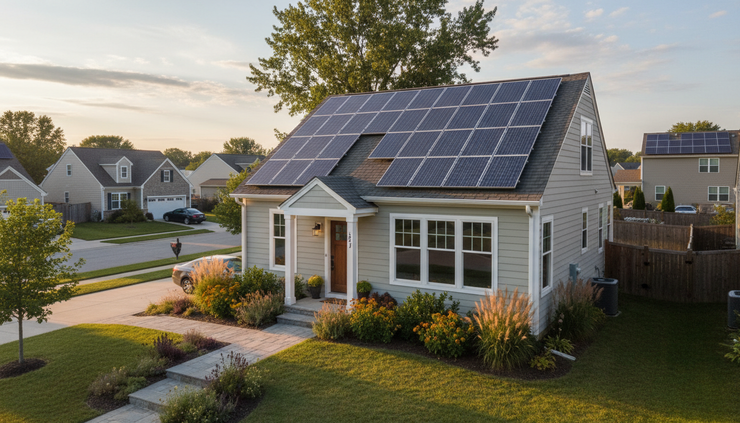
7. Add solar panels or prepare the home for solar
Solar panels are a larger investment, but they can offer long-term savings and a clear environmental benefit. They are most attractive when a home has good roof exposure, reasonable electricity rates, and owners who plan to stay long enough to benefit.
Solar works best after reducing energy waste first. A home that is insulated, air sealed, and equipped with efficient appliances may need a smaller solar system to offset electricity use.
Cost savings come from generating some or all of the electricity used by the home. Savings depend on system size, local utility rules, roof orientation, shade, financing, and available incentives.
Environmental benefits are direct. Solar power reduces reliance on grid electricity generated from fossil fuels, especially during sunny daytime hours.
ROI potential can be strong in the right situation, but it deserves careful math. Homeowners should compare cash purchase, loan, lease, and power purchase agreement options before signing. Ownership structure affects savings, resale value, and maintenance responsibilities.
If full solar installation is not in the budget yet, prepare the home by:
Replacing an aging roof before adding panels
Improving electrical panels where needed
Reducing electricity use first
Choosing efficient appliances as older ones fail
Keeping trees trimmed where appropriate
Solar is not the first step for every home, but it can be a smart capstone after other efficiency upgrades.
How to compare upgrades before spending money
Energy projects are easier to plan when they are sorted by cost, timing, and expected payoff. The right order depends on the home, but this simple framework can help.
Upgrade | Typical savings potential | ROI outlook | Best timing |
Air sealing | Low to moderate monthly savings | Often strong due to low cost | Early, before insulation |
Insulation | Moderate to high comfort and bill impact | Often strong | Early, especially in older homes |
Smart thermostat | Modest but steady savings | Good due to lower cost | Anytime |
Efficient windows | Moderate savings plus comfort | Varies due to higher cost | When windows are damaged or very drafty |
High-efficiency HVAC | High when replacing old systems | Strong when equipment is near end of life | Before emergency failure |
Water heating upgrade | Moderate savings | Good when replacing old equipment | At replacement time |
Solar panels | Potentially high long-term savings | Strong in the right site and financing setup | After reducing energy waste |
Also check for federal tax credits, state incentives, local rebates, and utility programs. These can change over time, so confirm current rules before starting a project.
The best first step is a home energy audit
A home energy audit can show where energy is being wasted and which upgrades should come first. Some utility companies offer discounted audits, and private energy auditors can perform detailed testing.
A good audit may include:
A blower door test to find air leaks
Infrared imaging to spot insulation gaps
HVAC and ductwork checks
Appliance and lighting review
Recommendations ranked by priority
For new homeowners, this can prevent guesswork. Instead of replacing windows because a room feels cold, an audit may reveal missing attic insulation or leaky ducts. That means the money goes where it will do the most good.

Build an efficient home one upgrade at a time
Energy-efficient home upgrades do not have to happen all at once. Start with the basics that reduce waste: air sealing, insulation, and smart temperature control. Then plan larger investments, such as windows, HVAC, water heating, and solar, around the age of existing systems and the amount of time you expect to stay in the home.
The strongest results usually come from combining upgrades. A sealed and insulated home needs less heating and cooling. Efficient equipment uses less energy to meet that smaller demand. Smart controls help avoid waste. Solar can then cover more of the remaining load.
For a first home, that is a powerful path. Lower bills make monthly ownership easier. Better comfort makes the space feel more livable. Reduced energy use supports a cleaner future. And when it is time to sell, a well-maintained, efficient home can stand out for all the right reasons.