.png)
Understanding Closing Costs for Home Buyers and Sellers
- Jul 29
- 3 min read
Buying or selling a home involves many steps, and one of the most important yet often confusing parts is understanding closing costs. These fees can add thousands of dollars to the transaction, and knowing what they cover helps both buyers and sellers avoid surprises. This guide breaks down closing costs, explains who pays what, and offers practical tips to manage these expenses.
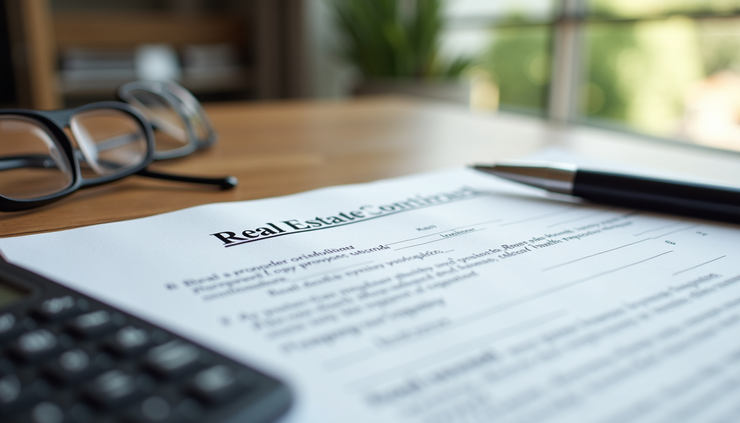
What Are Closing Costs?
Closing costs are the fees and expenses paid at the end of a real estate transaction, beyond the price of the property. These costs cover services and processes required to transfer ownership from seller to buyer. They include charges from lenders, title companies, government agencies, and other parties involved in the sale.
For buyers, closing costs typically range from 2% to 5% of the home’s purchase price. Sellers usually pay a smaller portion, often related to real estate agent commissions and transfer taxes.
Common Closing Costs for Buyers
Buyers face several fees that add up quickly. Here are the most common ones:
Loan Origination Fee
Charged by the lender for processing the mortgage application. Usually about 0.5% to 1% of the loan amount.
Appraisal Fee
Pays for a professional appraisal to confirm the home’s market value. This helps the lender decide how much to loan.
Home Inspection Fee
Covers the cost of a home inspection to check for structural or mechanical issues.
Title Search and Title Insurance
Ensures the property has a clear title without legal claims. Title insurance protects the buyer and lender from future disputes.
Recording Fees
Charged by the local government to officially record the property transfer.
Prepaid Costs
Includes property taxes, homeowners insurance, and mortgage interest paid in advance.
For example, if you buy a $300,000 home, closing costs might total between $6,000 and $15,000 depending on the location and loan terms.
Common Closing Costs for Sellers
Sellers also pay fees, though usually less than buyers. These include:
Real Estate Agent Commission
Typically 5% to 6% of the sale price, split between the buyer’s and seller’s agents.
Transfer Taxes
Taxes imposed by the city or county on the property sale.
Outstanding Liens or Judgments
Any debts tied to the property must be cleared before closing.
Home Warranty or Repairs
Sometimes sellers offer a home warranty or cover repair costs as part of the sale agreement.
If a home sells for $400,000, the seller might pay $20,000 to $24,000 in agent commissions alone, plus other fees.

How Closing Costs Are Paid
Closing costs are usually paid at the closing meeting, where ownership officially transfers. Buyers bring a cashier’s check or wire transfer for their portion. Sellers receive the sale proceeds minus their fees.
Sometimes, buyers negotiate with sellers to cover part of the closing costs. This can help buyers reduce upfront expenses but may affect the sale price or terms.
Tips to Manage Closing Costs
Closing costs can feel overwhelming, but there are ways to reduce or prepare for them:
Shop Around for Lenders
Different lenders charge different fees. Comparing loan estimates can save thousands.
Ask for a Closing Cost Breakdown Early
Request a detailed estimate from your lender or real estate agent before committing.
Negotiate Who Pays What
Buyers can ask sellers to cover some closing costs, especially in a buyer’s market.
Look for Assistance Programs
Many states and local governments offer grants or loans to help with closing costs for first-time buyers.
Review the Closing Disclosure Carefully
This document lists all final costs. Check it for errors or unexpected fees.
Why Understanding Closing Costs Matters
Knowing what closing costs include helps buyers and sellers budget accurately and avoid last-minute surprises. It also empowers buyers to negotiate better deals and sellers to price their homes realistically.
For example, a buyer who understands closing costs might realize that a lower purchase price with higher closing fees could be less affordable than a slightly higher price with fewer fees. Sellers aware of their costs can plan how much money they will net from the sale.

Closing costs are a key part of any home transaction. Taking time to understand them, ask questions, and plan ahead makes the process smoother and more predictable. Whether you are buying your first home or selling a property, knowing these costs helps you make informed decisions and move forward with confidence.